
A small roof leak can be easy to put off when it only leaves a faint ceiling stain or a little moisture in the attic. During a Tilton winter, however, snow, ice, freezing temperatures, and occasional thaws can turn a minor opening in the roof system into a much larger moisture problem.
The damage may also spread where homeowners cannot immediately see it.
Quick answer: Small roof leaks can become expensive winter damage because water can repeatedly enter through the same vulnerable area, soak insulation and wood, and then freeze or remain trapped inside the roof assembly. Snow and ice can also slow drainage and keep moisture near weak shingles, flashing, valleys, and roof edges. Addressing the source early generally gives homeowners more options than waiting for visible interior damage to grow.
What local homeowners should know
-
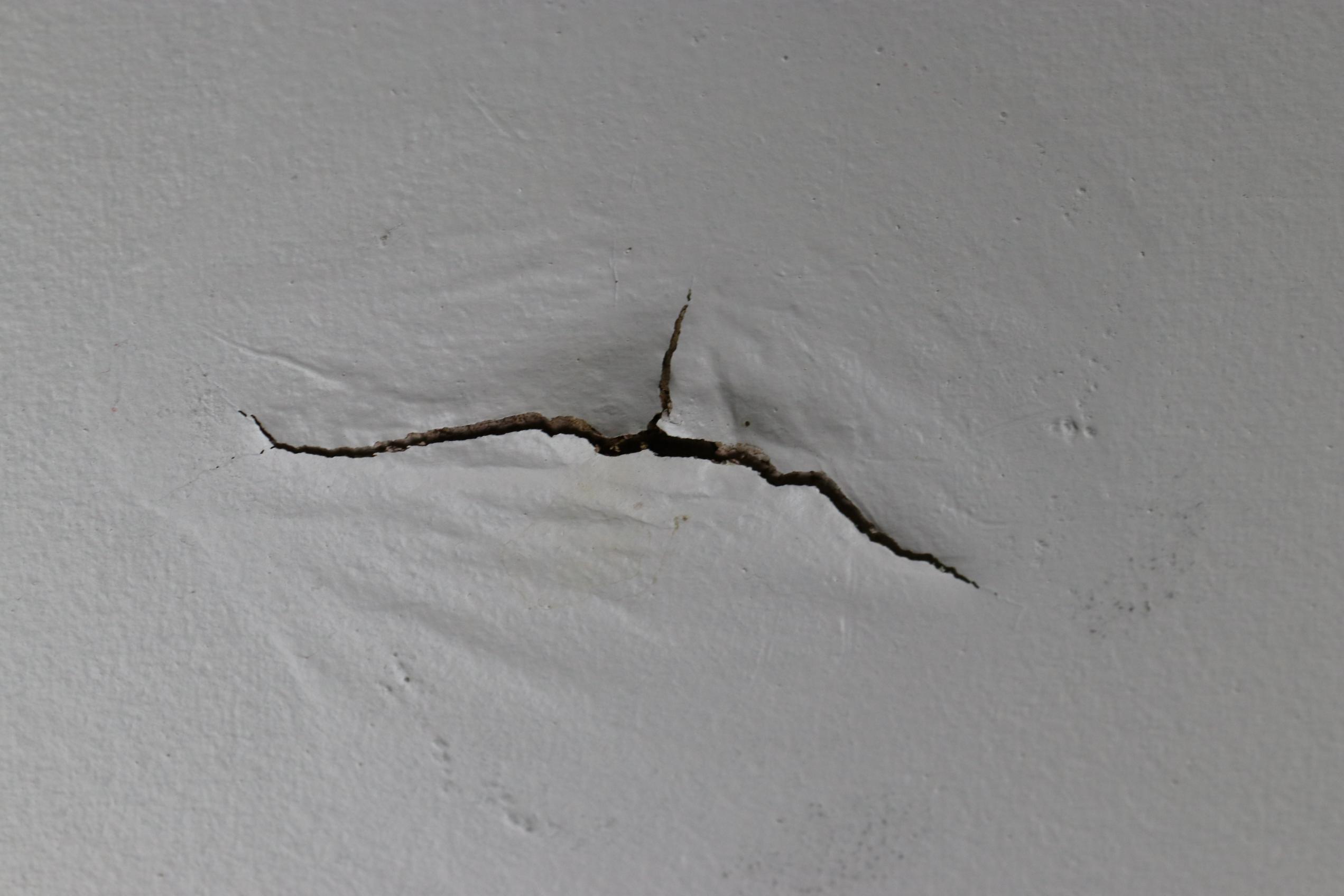
A ceiling stain may appear some distance from the actual roof opening because water can travel along decking, rafters, and other building materials.
-
Snow and ice accumulation is a normal winter concern for properties throughout central New Hampshire.
-
Temperature swings around freezing can expose roofing weaknesses as snow melts, drains, refreezes, or backs up near colder roof edges.
-
Attic moisture, wet insulation, and damp roof decking may develop before water starts dripping into a living space.
-
Homes around Tilton, Northfield, Sanbornton, Franklin, and the greater Lakes Region can benefit from addressing suspected roof leaks before repeated winter weather makes inspection and repair more complicated.
Why Do Small Roof Leaks Become More Serious During a Tilton Winter?
Small roof leaks become more serious during a Tilton winter because snow, ice, freezing temperatures, and thawing periods can repeatedly expose the same vulnerable roof area to moisture. Instead of dealing with one brief rain event, a compromised roof may remain underneath snow or experience additional water as accumulated snow melts.
National Weather Service forecasts for the Tilton area illustrate the kind of winter pattern local roofs encounter, including periods of snow followed by temperatures rising above freezing. Those changes matter because water can move into gaps around damaged roofing materials or flashing before temperatures fall again.
Winter also makes leaks harder for homeowners to evaluate. Snow can cover the exterior problem while insulation and finished ceilings conceal what is happening below.
For local homeowners near downtown Tilton, the Winnipesaukee River, Northfield, Lochmere, and surrounding parts of the Lakes Region, a leak that appears minor indoors should not automatically be treated as minor at the roof.
Shingle Pro LLC helps local property owners evaluate roofing problems, and we encourage homeowners to pay attention to the earliest signs of unwanted moisture rather than waiting for a winter leak to become obvious.
What Do Local Winter Conditions Mean for a Leaking Roof?
Local winter conditions mean an existing roof weakness can face repeated moisture exposure while snow and ice make normal roof drainage more difficult. New Hampshire public guidance recommends checking roofs after heavy snowfall and particularly during thaws because snow and ice can interfere with drainage and allow water to build up.
This is particularly relevant during central New Hampshire’s changing winter conditions. A roof may experience snow accumulation, daytime melting, nighttime freezing, wind, and additional precipitation over the course of a winter.
For a sloped residential roof, vulnerable areas can include:
-
Roof valleys
-
Flashing around chimneys
-
Plumbing vent penetrations
-
Skylight areas
-
Roof-to-wall transitions
-
Shingle edges
-
Eaves and gutters
-
Previously repaired sections
The existence of snow does not automatically mean a roof will leak. The concern is what happens when an existing weakness gives water a path into the roofing system.
How Can One Small Leak Damage More Than the Ceiling?
One small leak can damage more than the ceiling because water entering through the roof can travel through decking, framing, insulation, and other materials before becoming visible inside the home. The wet spot a homeowner sees is therefore evidence of moisture intrusion, but it does not necessarily show the full path or extent of that moisture.
Wet insulation can also lose effectiveness while damp wood needs an opportunity to dry. Continued moisture can damage finishes and create conditions that require more extensive repairs.
That is one reason a small brown ceiling mark in January deserves attention. Covering or repainting the stain does nothing to stop the water entering above it.
What Are the Warning Signs of a Winter Roof Leak?
Warning signs of a winter roof leak include ceiling discoloration, attic moisture, damp insulation, active dripping, damaged shingles, and water appearing during snowmelt or winter precipitation. Homeowners should look for patterns rather than assuming a stain is old simply because it feels dry during one inspection.
Watch for:
-
Brown, yellow, or dark stains appearing on ceilings or walls.
-
Damp or compressed attic insulation.
-
Darkened roof decking or rafters in the attic.
-
Water droplets, frost, or unusual moisture inside the attic.
-
Peeling or bubbling paint near ceilings and upper walls.
-
Missing, lifted, cracked, or visibly damaged shingles where they can be observed safely from the ground.
-
Water appearing during a thaw even though it is not currently raining.
-
Repeated moisture around chimneys, vents, skylights, valleys, or exterior walls.
Some attic frost or moisture can also involve ventilation or condensation rather than an exterior roof leak. A professional evaluation can help distinguish between those problems.
When Should Tilton Homeowners Call a Roofing Professional?
Tilton homeowners should call a roofing professional when there is active leaking, recurring staining, suspected storm damage, unexplained attic moisture, or a roof problem that cannot be safely inspected from the ground. Winter roof access can be hazardous, especially when snow and ice are present.
Homeowners can safely monitor interior ceilings and walls, look into an accessible attic when conditions allow, and inspect the roof from ground level.
DIY investigation should stop when it requires walking on a snowy or icy roof.
New Hampshire public risk-management guidance specifically emphasizes safety around winter roof inspections and recommends using a qualified, insured roofing company when needed repairs exceed the property owner’s capabilities.
What Commonly Causes Winter Roof Leaks in the Tilton Area?
Common winter roof leaks in the Tilton area can involve damaged shingles, deteriorated flashing, roof penetrations, drainage problems, and vulnerabilities that become apparent during snowmelt. The exact cause needs to be identified before deciding whether a localized repair or a broader roofing solution makes sense.
1. Damaged or missing shingles
A compromised shingle area can give wind-driven precipitation or melting snow a path toward the roof deck.
2. Flashing problems
Chimneys, walls, vents, and other roof transitions rely on properly functioning flashing to direct water away from openings.
3. Roof valleys
Valleys handle concentrated runoff. Damage or deterioration in these areas can become especially noticeable when snow begins melting.
4. Roof penetrations
Plumbing vents and other penetrations create transitions in the roofing system that should remain properly sealed and flashed.
5. Drainage problems
Snow, ice, leaves, and debris can interfere with normal drainage. New Hampshire guidance specifically recommends checking drainage areas for obstructions and water backup.
6. Aging roofing materials
Older materials can become increasingly vulnerable as normal weather exposure accumulates. Age alone does not identify the source of a leak, so the roof still needs to be evaluated.
How Can Homeowners Help Prevent Winter Leak Damage?
Homeowners can help prevent winter leak damage by checking the roof before winter, keeping drainage areas clear, watching the attic and ceilings after storms, and addressing known roofing defects promptly. In Tilton, preventive attention in fall can be much easier than discovering an unresolved problem beneath winter snow.
A practical seasonal routine includes inspecting visible shingles from the ground, clearing leaves from accessible gutters, checking attic spaces for previous moisture, and watching known problem areas after heavy precipitation.
After significant snow or during a thaw, pay attention to new ceiling stains and attic moisture.
Avoid climbing onto a snow-covered or icy roof. Roof repair, winter roof access, and removal of significant rooftop snow or ice can create fall and property-damage hazards.
What Results Can Homeowners Expect From Addressing a Leak Early?
Addressing a roof leak early can help stop continued water entry and give homeowners a clearer understanding of whether the problem is localized or part of broader roof deterioration. The appropriate result depends on the leak source, roofing condition, previous damage, and how long moisture has been entering the structure.
Some problems may be suitable for a targeted repair. Others may reveal multiple deteriorated areas or an aging roof that warrants discussion of replacement.
The goal of an inspection is not to assume which solution is necessary. It is to identify the source and understand the condition of the surrounding roofing system.
What Mistakes Can Make a Small Winter Leak Worse?
The mistakes most likely to make a small winter leak worse are ignoring intermittent moisture, treating only the interior stain, and attempting unsafe winter roof repairs. These approaches can delay identification of the actual entry point while winter weather continues.
Mistake: Waiting because the dripping stopped.
Consequence: The roof may only leak under particular combinations of snow, thawing, wind, or precipitation.
Better approach: Treat recurring moisture as a reason to investigate the source.
Mistake: Painting over a ceiling stain.
Consequence: The cosmetic evidence disappears while the exterior problem remains.
Better approach: Determine why moisture reached the ceiling before completing cosmetic repairs.
Mistake: Assuming the leak is directly above the stain.
Consequence: Water may have traveled before becoming visible.
Better approach: Evaluate the surrounding roof and attic rather than focusing only on one point.
Mistake: Climbing onto an icy roof.
Consequence: Winter conditions substantially increase the safety risk.
Better approach: Keep homeowner inspections at ground level or in safely accessible interior areas and leave hazardous roof access to professionals.
What Does a Common Local Winter Leak Scenario Look Like?
A common local winter leak scenario begins with a roof vulnerability that produces little or no obvious interior evidence until accumulated snow starts melting. This is a representative scenario, not a Shingle Pro LLC customer case study.
Imagine a home near the Tilton-Northfield area with a small vulnerable section around flashing. An early snowstorm covers the roof without an obvious interior leak.
Later, daytime temperatures rise above freezing. Snow begins melting and water reaches the vulnerable area. Moisture travels beneath the roofing and eventually appears as a small ceiling stain.
The stain dries when colder weather returns, so the homeowner assumes the problem has passed.
Another thaw arrives, however, and the stain returns larger.
The lesson is simple: intermittent does not necessarily mean resolved.
Which Roofing Services Can Address the Problem?
The roofing service that addresses a winter leak depends on whether the source is isolated damage, failing flashing, multiple compromised areas, or broader roof deterioration. Inspection should come before assuming that either a small repair or complete replacement is the correct answer.
Potential solutions can include roof inspection, localized roof repair, replacement of damaged roofing materials, flashing-related repairs, or roof replacement when overall conditions justify it.
Our goal is to help homeowners understand the condition they are dealing with so they can make an informed decision.
Is Roof Repair or Replacement the Better Option?
Roof repair is generally the more relevant option when a problem is localized and the surrounding roofing remains serviceable, while replacement may make more sense when deterioration is widespread or recurring. A winter leak by itself does not prove that an entire roof needs replacement.
| Option | May Make Sense When | Main Consideration |
|---|---|---|
| Monitoring | No active leak exists and the area has been professionally evaluated | Continued observation is necessary |
| Localized repair | The source can be isolated to a repairable area | Surrounding roof condition matters |
| Broader repair | Several related components are contributing to leakage | Scope must address the actual water path |
| Replacement | Roofing deterioration is widespread or repair is no longer practical | Overall roof condition should guide the decision |
A proper evaluation helps separate a repairable defect from a roof nearing the end of its useful service life.
Where Do We Serve Around Tilton?
We serve homeowners in Tilton and the surrounding area who need help evaluating roofing concerns and determining appropriate next steps. Nearby communities include Northfield, Sanbornton, Franklin, and other properties across this part of central New Hampshire and the Lakes Region.
What Can It Cost to Ignore a Small Roof Leak?
Ignoring a small roof leak can increase the amount of material affected because continued moisture may spread beyond the original roofing defect into insulation, decking, framing, ceilings, and interior finishes. The concern is not that every small leak will become a major repair, but that waiting allows an unresolved water source more opportunities to cause damage.
Winter can make that delay particularly inconvenient. Snow and ice may complicate exterior access, while another storm or thaw can expose the same opening again.
Early investigation gives homeowners more information before the next round of winter weather arrives.
Frequently Asked Questions About Winter Roof Leaks
Can a small roof leak really get worse quickly in Tilton?
Yes, a small roof leak can worsen quickly when repeated winter weather keeps sending moisture toward the same vulnerable area. Snow accumulation, melting, refreezing, and additional precipitation can expose weaknesses more than once. The speed of damage depends on the location of the leak and how much water enters.
Why does my Tilton roof leak when snow melts but not when it rains?
A roof that leaks during snowmelt may be experiencing water movement that differs from ordinary rainfall. Accumulated snow can release water over an extended period, and snow or ice may affect normal drainage. Because several roof defects can produce similar symptoms, the actual source should be inspected rather than diagnosed from the stain alone.
Should I climb onto my roof to find a winter leak?
No, homeowners generally should not climb onto a snowy or icy roof to search for a leak. Slippery roofing, concealed ice, snow-covered roof edges, and ladder conditions can create serious hazards. Check accessible interior areas and observe the exterior from the ground, then use professional help when roof access is required.
Are ice and snow common concerns for roofs in central New Hampshire?
Yes, snow and ice are normal winter considerations for roofs in central New Hampshire. State guidance recognizes that seasonal snow and ice buildup can affect property and recommends monitoring roof conditions. Homeowners should pay particular attention after substantial snowfall and during thawing periods when water begins moving again.
Does a ceiling stain mean I need a new roof?
No, a ceiling stain does not automatically mean the entire roof needs replacement. A stain indicates that moisture has reached an interior surface, but the source could involve a localized roofing or flashing problem. An inspection can help determine the source, surrounding roof condition, and whether repair or replacement is appropriate.
Can a Tilton roof leak stop on its own?
A leak may temporarily stop dripping, but that does not mean the underlying roof defect repaired itself. Weather conditions can change how and when water reaches an opening. If staining or moisture has appeared more than once, homeowners should investigate the source even if the affected area currently feels dry.
What should I check after a heavy snow in the Lakes Region?
After heavy snow, check ceilings, upper walls, and safely accessible attic areas for new stains, dampness, dripping, or unusual moisture. Observe the roof from ground level for obvious damage or unusual conditions. Avoid attempting hazardous rooftop inspections, particularly when snow or ice makes footing uncertain.
When is the best time to address a suspected winter roof leak in Tilton?
The best time to address a suspected winter roof leak is as soon as practical after noticing evidence of water intrusion. Early evaluation can identify the source before repeated storms or thaw cycles expose it again. The exact timing of exterior work will depend on roof conditions, weather, safety, and the repair required.
Protect Your Tilton Home Before the Next Leak Gets Bigger
Catching a roofing problem early can help protect your home from repeated moisture intrusion through another central New Hampshire winter. We can help evaluate the roof, identify the likely source of the problem, and explain appropriate repair or replacement options without assuming a larger project is necessary.