

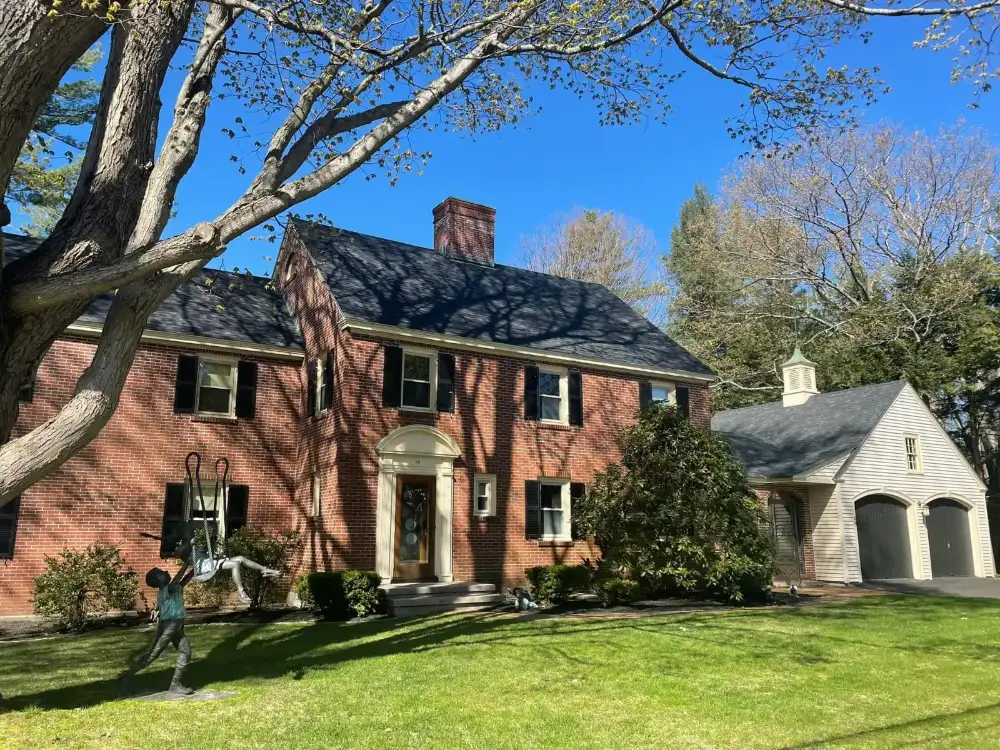
Asphalt shingles in New Hampshire have to handle conditions that can be hard on a roof, including winter snow, freezing temperatures, spring rain, summer heat, and repeated temperature swings. For homeowners in Tilton and the Lakes Region, the number of years printed on a shingle product is only part of the lifespan equation.
Quick answer: Asphalt shingles in New Hampshire commonly provide roughly 15 to 30 years of useful service, depending on the shingle type, installation quality, roof ventilation, maintenance, sun exposure, and weather. A roof exposed to recurring ice, moisture, wind, and freeze-thaw cycles may show signs of deterioration sooner. The roof’s actual condition is more important than its age alone when deciding whether repair or replacement makes sense.
What local homeowners should know
-
Asphalt shingle lifespan varies considerably based on the shingle product, installation, ventilation, and exposure.
-
Snow, ice, and freeze-thaw cycles can contribute to roof wear throughout central New Hampshire.
-
Homes around Tilton, Northfield, and the greater Lakes Region can experience different roof conditions depending on tree cover, orientation, elevation, and exposure.
-
Missing shingles, recurring leaks, granule loss, and widespread curling deserve attention regardless of the roof’s age.
-
Regular visual checks can help homeowners identify developing problems before interior water damage appears.
Why Does Asphalt Shingle Lifespan Matter in New Hampshire?
Asphalt shingle lifespan matters in New Hampshire because roofs experience major seasonal changes that can accelerate wear and expose existing weaknesses. A roof near Lake Winnisquam may go from summer sun and thunderstorms to falling leaves, freezing temperatures, snow accumulation, and spring melting within a single year.
Tilton homeowners also have to consider how moisture behaves during winter. Snow can remain on shaded roof sections while sunnier areas melt sooner. Repeated freezing and thawing can expose vulnerable flashing, shingles, and roof edges to additional stress.
Shingle Pro LLC serves homeowners in this region, and we understand why roof condition needs to be evaluated in the context of New Hampshire weather rather than age alone.
What Factors Affect How Long Asphalt Shingles Last?
The biggest factors affecting asphalt shingle life are material quality, installation, ventilation, moisture management, maintenance, and weather exposure. In central New Hampshire, those factors interact with cold winters, warm summers, precipitation, and seasonal temperature changes.
A roof with good ventilation and properly installed materials may age very differently from another roof of the same age. Tree cover can also matter. Shaded roofs may stay damp longer, while exposed roofs can receive more direct sunlight and wind.
Homes near Franklin, Belmont, Sanbornton, and Lake Winnisquam can therefore have different roofing needs even when the roofs were installed around the same time.
How Does New Hampshire Weather Affect Asphalt Shingles?
New Hampshire weather can shorten asphalt shingle life by repeatedly exposing roofing materials to freezing, thawing, moisture, wind, snow, and summer heat. These seasonal stresses do not automatically mean a roof will fail early, but they make installation quality and ongoing roof condition especially important.
Winter snow can reveal drainage or ice-related problems. Spring brings melting snow and rain that can find vulnerable areas around flashing or damaged shingles. Summer sunlight heats the roof surface, while fall can bring leaves and debris that collect in valleys and gutters.
This annual cycle is one reason homeowners in Belknap County should look at roof condition instead of relying exclusively on an installation date.
What Are the Warning Signs of an Aging Asphalt Roof?
An aging asphalt roof often shows visible shingle deterioration, granule loss, damaged sections, or evidence that water is getting past the roofing system. Homeowners in Tilton should pay particular attention after winter weather and strong storms.
Watch for:
-
Shingles that are missing, cracked, curled, lifted, or visibly damaged.
-
Excessive granule accumulation in gutters or near downspout outlets.
-
Bald-looking areas where the shingle surface has noticeably worn away.
-
Water stains or unexplained moisture on ceilings or in the attic.
-
Damaged or deteriorated flashing around chimneys, vents, skylights, or roof intersections.
-
Recurring leaks that continue after individual repairs.
-
Roof sections that appear noticeably different in condition from surrounding areas.
-
Moss, debris, or persistent moisture in shaded portions of the roof.
One symptom does not automatically mean the entire roof requires replacement. A professional inspection can help determine how widespread the problem is.
When Should You Call a Roofing Professional?
You should call a roofing professional when damage is widespread, a leak is present, shingles are missing, or you cannot safely determine the roof’s condition from the ground. Steep pitches, wet shingles, snow, frost, and ice make climbing onto a roof especially risky in New Hampshire.
Homeowners can safely perform basic observations from the ground and look inside accessible attic areas for obvious signs of moisture. Binoculars can also help with exterior checks.
Roof walking, flashing repairs, shingle replacement, and investigating active leaks are better left to someone equipped to work safely at height.
What Common Problems Can Shorten Shingle Life?
The most common problems that can shorten shingle life include installation defects, inadequate ventilation, moisture problems, storm damage, debris accumulation, and delayed repairs. New Hampshire’s seasonal weather can make small vulnerabilities more noticeable over time.
Poor attic ventilation can contribute to excessive heat and moisture conditions beneath the roof. Damaged flashing can allow water into vulnerable transitions. Leaves and branches can trap moisture, particularly around valleys and gutters.
Winter conditions add another concern. Snow and ice can conceal existing damage, and water from melting snow can exploit openings that were less obvious during dry weather.
How Can You Help Asphalt Shingles Last Longer?
You can help asphalt shingles last longer by keeping the roof drainage system clear, addressing damage promptly, maintaining appropriate ventilation, and checking the roof after severe weather. In Tilton, spring and fall are practical times for homeowners to perform safe visual checks.
Keep gutters and downspouts free of heavy debris so water can move away from the roof edge. Trim branches that scrape the roof or regularly deposit leaves and twigs. Look for displaced shingles after storms and investigate unexplained attic moisture rather than waiting for a larger ceiling leak.
Avoid aggressive pressure washing or unnecessary walking on asphalt shingles. Both can damage the roofing surface.
What Results Can You Expect From Roof Maintenance or Repair?
Roof maintenance and timely repairs can address localized problems and help protect remaining service life, but they cannot reverse widespread shingle deterioration. The appropriate solution depends on the extent of the damage, the condition of surrounding materials, and the overall age and performance of the roofing system.
A relatively young roof with isolated storm damage may be a good repair candidate. An older roof with deterioration across multiple slopes may make replacement more practical.
The goal is not simply to keep patching a roof. It is to choose a solution appropriate for its actual condition.
What Roofing Mistakes Should New Hampshire Homeowners Avoid?
The biggest roofing mistakes are waiting too long to investigate leaks, assuming every old roof needs replacement, and assuming a newer roof cannot have problems. Roof age provides context, but visible condition and performance provide better information.
Mistake: Waiting for water to drip from a ceiling.
Consequence: Moisture may already be affecting materials above the finished ceiling.
Better approach: Investigate stains, dampness, or suspicious roof damage early.
Mistake: Choosing repair solely because it costs less initially.
Consequence: Repeated repairs on a broadly deteriorated roof can become impractical.
Better approach: Compare the extent of the problem with the overall condition of the roof.
Mistake: Inspecting a snowy or icy roof yourself.
Consequence: New Hampshire winter conditions can make roof surfaces extremely hazardous.
Better approach: Observe from a safe location and use professional help when close inspection is needed.
What Is a Common Roofing Scenario in the Lakes Region?
A common Lakes Region scenario is an older asphalt roof that appears acceptable from the yard but begins showing several smaller warning signs after successive winters. A homeowner might notice granules near the downspouts, a few damaged shingles, and a stain near a roof penetration.
That situation does not automatically point to replacement. The important question is whether the problems are isolated and repairable or part of broader deterioration across the roofing system.
An inspection can help distinguish between those situations before the homeowner commits to a repair or replacement.
Which Roofing Services Can Address an Aging Shingle Roof?
Roof inspection, targeted repair, and roof replacement are the primary service solutions for an aging asphalt shingle roof. The right option depends on whether the problem is localized or affects a substantial portion of the roofing system.
We can help homeowners understand the visible condition of their roof and discuss appropriate next steps based on what is found.
Should You Repair or Replace an Asphalt Shingle Roof?
Repair is generally more appropriate for limited damage on an otherwise serviceable roof, while replacement becomes more reasonable when deterioration is widespread or problems keep returning. Tilton homeowners should weigh condition, repair history, age, leak frequency, and the extent of damaged shingles together.
A single missing shingle is different from deterioration across several roof slopes. Likewise, one repairable flashing issue does not necessarily justify replacing an entire roof.
A professional evaluation can provide the information needed to compare the options without relying on roof age alone.
What Areas Around Tilton Face Similar Roofing Conditions?
Communities around Tilton face many of the same seasonal roofing challenges, including snow, ice, rain, temperature swings, and summer sun. Similar considerations apply to homeowners in Northfield, Franklin, Belmont, Sanbornton, and other parts of Belknap County and the Lakes Region.
Local exposure still varies by property, so the condition of each roof should be evaluated individually.
What Can Happen If You Ignore an Aging Roof?
Ignoring an aging roof can allow a manageable roofing problem to develop into moisture damage affecting additional parts of the home. In New Hampshire, delaying investigation can be particularly inconvenient when a vulnerable roof enters another winter season without needed repairs.
Water intrusion can affect roof decking, insulation, ceilings, and other materials depending on where and how the leak develops. Addressing visible warning signs early gives homeowners more time to evaluate repair and replacement options.
FAQ About Asphalt Shingle Lifespan in New Hampshire
How many years do asphalt shingles last in New Hampshire?
Asphalt shingles commonly provide roughly 15 to 30 years of service, but actual lifespan varies considerably. Product type, installation, ventilation, maintenance, weather exposure, and roof design all matter. A New Hampshire roof should be evaluated based on its current condition rather than assuming it is good or bad solely because of its age.
Does snow shorten roof life in Tilton?
Snow can contribute to roofing stress, but snow alone does not determine how long a roof lasts in Tilton. Moisture, ice, freeze-thaw cycles, drainage, roof design, ventilation, and existing defects all influence performance. Problems that repeatedly appear during or after winter deserve closer inspection.
Can an asphalt roof last 30 years in New Hampshire?
Yes, some asphalt roofing systems can remain serviceable around 30 years, but that should not be treated as a guaranteed lifespan. Shingle type, installation quality, ventilation, maintenance, exposure, and weather all affect longevity. Condition should guide roofing decisions more than the age printed on an old invoice.
When should I inspect my roof in Tilton?
Spring and fall are useful times for visual roof checks in Tilton, and another check is sensible after significant storms. Homeowners can look from the ground for missing or damaged shingles and check accessible interior areas for moisture. Avoid climbing onto wet, snowy, icy, or steep roofs.
Do roofs near Lake Winnisquam age differently?
Roofs near Lake Winnisquam can age differently depending on each property’s exposure, shade, surrounding trees, roof orientation, and moisture conditions. Two nearby homes can therefore have roofs of the same age but noticeably different conditions. An individual inspection is more useful than estimating remaining lifespan from location alone.
Is granule loss normal on asphalt shingles?
Some granule loss occurs as asphalt shingles age, but noticeable bald areas or substantial ongoing granule shedding can indicate deterioration. Homeowners may first notice granules collecting around gutters and downspouts. The significance depends on the shingle’s age and overall condition, so widespread loss deserves professional evaluation.
Should I replace my Tilton roof just because it is 20 years old?
No, a 20-year-old roof does not automatically require replacement simply because of its age. In Tilton, roof condition, shingle type, repair history, ventilation, leaks, and weather exposure should all be considered. An inspection can help determine whether continued maintenance, targeted repairs, or replacement is the more appropriate next step.
Can damaged shingles be repaired instead of replacing the roof?
Yes, localized shingle damage can often be repaired when the surrounding roofing system remains in suitable condition. Replacement becomes more likely when damage or deterioration is widespread, leaks repeatedly return, or repairs no longer provide a practical solution. The extent and location of the damage should guide the decision.
Protect Your Tilton Home With the Right Roofing Plan
Knowing how long asphalt shingles last is useful, but knowing the condition of the roof over your home is more valuable. We help local homeowners evaluate roofing concerns with New Hampshire’s demanding seasons in mind.
Get a clearer picture of your roof’s condition.
Choose the next step based on what your roof actually needs.